
Best Orthopedic Memory Foam Dog Beds (2026): Real Support for Large & Senior Dogs
Introduction to Orthopedic Memory Foam Dog Beds
If your dog is large, aging, or struggling with joint pain, choosing the right bed is no longer just about comfort, it’s about daily mobility, recovery, and quality of life. Many dog owners discover too late that cheap beds flatten within weeks, offering little real support for hips, elbows, and the spine.
Orthopedic memory foam dog beds are designed to solve this exact problem. Unlike standard padded beds, they distribute weight evenly, reduce pressure points, and help dogs rest more deeply, especially seniors or large breeds that carry more stress on their joints.
That said, not all “orthopedic” dog beds are created equal. Some use thin foam layers, others lack durability, and many are mislabeled as orthopedic without providing true joint support.
In this 2026 guide, we compare the best orthopedic memory foam dog beds based on real-world criteria: foam thickness, support for large and senior dogs, durability over time, ease of cleaning, and overall value. The goal is simple, help you choose a bed that actually improves your dog’s comfort, not one you’ll need to replace in a few months.
2. TL;DR Quick Verdict 2025
If you are short on time, this is what you need to know.
Not every orthopedic dog bed provides real joint support. The biggest differences come down to foam thickness, long term durability, and how well the bed supports large or senior dogs without flattening.
After comparing the top orthopedic memory foam dog beds available in 2025, these are the standouts by use case.
Best balance of memory foam support, durability, bolsters, and washable cover. Ideal for large and senior dogs that need daily joint relief.
2. Best budget orthopedic bed for large dogs – Bedsure XL Orthopedic Dog Bed
A solid choice if you want orthopedic support at a lower price. Best for dogs up to around 100 lb, especially when used as a crate mat or floor bed.
3. Best therapeutic option for heavy or senior dogs – Big Barker Orthopedic Dog Bed
Designed specifically for large and giant breeds with serious joint issues. Thick foam that keeps its shape long term, but at a higher price point.
Below, you will find a detailed comparison of foam thickness, sizing, real world comfort, durability, and value so you can confidently choose the right orthopedic bed for your dog.
Choose based on your dog’s weight, age, and how much joint support they truly need.
3. Key Specs and Sizing 2025
Choosing the right orthopedic dog bed is not just about brand or price. The most common mistake dog owners make is focusing on outer dimensions instead of real usable space and foam quality.
Understanding these key specs will help you avoid buying a bed that looks good online but fails to support your dog properly.
Foam thickness and orthopedic support
Foam thickness is one of the most important factors in an orthopedic dog bed.
For small and medium dogs, around 3 inches of high density foam may be enough.
For large breeds and senior dogs, beds with less than 4 inches of foam often compress too quickly and lose their supportive benefit.
Therapeutic beds designed for large or aging dogs typically use 5 to 7 inches of solid or layered orthopedic foam. This extra depth helps relieve pressure on hips, elbows, and the spine.
Foam type matters more than marketing labels
Not all foam marketed as orthopedic offers the same level of support.
Solid memory foam or layered orthopedic foam provides more consistent pressure relief than basic egg crate foam, especially for dogs over 60 lb. Softer foams may feel comfortable at first but tend to flatten faster over time.
Choosing the right size for your dog
Weight recommendations alone are not enough.
A dog that stretches out fully needs more surface area than a dog that curls up, even if they weigh the same.
As a general reference:
- Large beds work well for dogs around 50 to 70 lb that curl or sleep semi stretched.
- XL beds are better for dogs between 70 and 100 lb or dogs that sprawl while sleeping.
Interior space vs total bed size
Beds with bolsters reduce the interior sleeping area.
Always check the interior dimensions, not just the total outer size. This is especially important for large dogs that prefer to stretch out.
Crate fit and floor use considerations
If you plan to place the bed inside a crate, measure the interior crate dimensions carefully. Many XL orthopedic beds fit inside 42 inch crates, but models with thick bolsters may not sit flat.
For floor use, thicker beds provide better joint relief but sit higher off the ground. This can matter for dogs with limited mobility or advanced arthritis.
Choosing the correct size and foam structure ensures your dog receives the full orthopedic benefit the bed is designed to provide.
4. Benefits of Orthopedic Memory Foam Dog Beds
Orthopedic memory foam dog beds are designed to do more than simply feel soft. When properly built, they provide real physical benefits that can improve your dog’s comfort, mobility, and sleep quality over time.
Below are the key benefits that actually matter in daily use.
Joint and hip support for large and senior dogs
The main advantage of an orthopedic memory foam bed is pressure relief.
High density memory foam distributes your dog’s weight evenly, reducing stress on hips, elbows, shoulders, and the spine. This is especially important for large breeds and senior dogs, where joint compression can cause stiffness and discomfort after rest.
Dogs with arthritis or early joint issues often show signs of easier movement and less stiffness when getting up from a supportive bed.
Reduced pressure points during long rest periods
Dogs sleep many hours per day, and hard floors or low quality padding can create constant pressure on the same joints.
Orthopedic memory foam adapts to your dog’s body shape, minimizing pressure points and allowing muscles to relax more fully. This leads to deeper, more restorative sleep, especially for dogs that spend long periods lying down.
Better weight distribution for heavy breeds
Large and giant breeds place significantly more stress on standard dog beds.
A properly constructed orthopedic bed prevents the dog from sinking all the way to the floor. Instead, it maintains a supportive base that keeps joints properly aligned, even under heavier body weight.
This is one of the biggest differences between true orthopedic beds and basic padded models.
Improved comfort for dogs recovering from injury or surgery
Veterinarians often recommend orthopedic beds during recovery periods.
The combination of cushioning and support helps reduce strain on healing joints and muscles. A stable, supportive surface can also make it easier for dogs to change positions without discomfort.
Long term comfort compared to standard dog beds
While basic dog beds may feel comfortable at first, many lose their shape quickly.
High quality orthopedic memory foam retains its structure longer, providing consistent support over months or years of use. This makes it a better long term investment, particularly for dogs that rely on daily joint relief rather than occasional comfort.
5. Drawbacks and Care Tips
Orthopedic memory foam dog beds offer real benefits, but they are not perfect for every dog or situation. Understanding the limitations and proper care requirements helps you avoid frustration and extend the life of the bed.
Not ideal for destructive chewers
Orthopedic beds are built for support, not heavy chewing.
Dogs that tear fabrics, dig aggressively, or chew through cushions can damage even well built orthopedic beds. While some covers are durable, no memory foam bed is truly chew proof.
For destructive dogs, supervision or alternative solutions may be necessary.
Lower quality foam can flatten over time
Not all beds labeled as orthopedic use high density foam.
Budget models often rely on thinner foam layers or softer materials that compress faster, especially under large or senior dogs. Once the foam flattens, the orthopedic benefit is significantly reduced.
This is why foam thickness and density matter more than brand claims.
Weight and mobility considerations
Thicker orthopedic beds sit higher off the ground.
While this improves joint relief, it can be a drawback for dogs with severe mobility issues who struggle to step up onto elevated surfaces. In these cases, a lower profile orthopedic mat or gradual step access may work better.
Cleaning and maintenance requirements
Most orthopedic beds rely on removable covers for cleaning.
Always check whether the cover is machine washable and whether the bed includes a waterproof or water resistant liner to protect the foam. Without a liner, accidents can permanently damage the foam core.
For best results:
- Wash covers on gentle cycles.
- Avoid high heat drying to prevent shrinkage.
- Spot clean liners instead of fully submerging them.
Odor retention and hygiene
Memory foam itself should not be washed.
If moisture or odors penetrate the foam, they can be difficult to remove. A properly sealed liner and regular cover washing are essential to maintain hygiene and prevent long term odor buildup.
Knowing these drawbacks and care requirements helps ensure an orthopedic bed remains supportive, clean, and comfortable throughout its intended lifespan.
6. Real World Fit Large vs XL and Crate Use
Choosing between Large and XL sizes is one of the most confusing parts of buying an orthopedic dog bed. In real life, the difference goes beyond a few inches on a size chart.
This section focuses on how these beds actually fit dogs and homes, not just what the label says.
Large vs XL in everyday use
Large beds are typically designed for dogs between 50 and 70 lb. They work well for dogs that curl up or sleep in a semi stretched position.
XL beds are better suited for dogs between 70 and 100 lb, or for dogs that fully stretch out while sleeping. Even dogs under 70 lb may need an XL if they sprawl or change positions frequently during the night.
When in doubt, sizing up usually provides better comfort and longer usable life.
Interior sleeping space vs outer dimensions
Beds with bolsters often appear large, but the usable sleeping area is smaller than the total size.
For example, a bed listed as 44 by 32 inches may offer significantly less interior space once bolsters are included. This can make a big difference for large dogs that prefer to stretch fully.
Always check interior dimensions when available, especially for bolster style orthopedic beds.
How orthopedic beds fit inside crates
Many dog owners use orthopedic beds as crate mats.
Flat orthopedic mats without bolsters tend to fit best inside crates, especially standard 42 inch crates. Beds with thick bolsters may not sit flat or may reduce usable crate space.
If crate use is important, confirm:
- Interior crate dimensions
- Bed thickness
- Whether bolsters interfere with doors or side panels
Floor placement and daily movement
For open floor use, thicker beds provide better joint relief but sit higher off the ground.
This can be beneficial for pressure relief but may require consideration for dogs with advanced arthritis or limited mobility. In these cases, placing the bed against a wall or adding a low step can improve accessibility.
Choosing the right size and fit ensures the bed supports your dog’s body properly in real world conditions, not just on paper.
7. Comparison Table Top Orthopedic Dog Beds 2025
| Model | Recommended size | Foam thickness | Best for | Main strength | Link |
|---|---|---|---|---|---|
| PetFusion Ultimate Orthopedic Dog Bed | Large, XL | 4 inches | Large and senior dogs | Balanced support, durability, bolsters | Check size and price on Amazon |
| Bedsure XL Orthopedic Dog Bed | XL | 3.5 inches | Dogs up to around 100 lb | Best value for money | Check size and price on Amazon |
| Big Barker Orthopedic Dog Bed | XL | 7 inches | Heavy and senior dogs | Therapeutic grade foam | Check size and price on Amazon |
| FurHaven Orthopedic Sofa Dog Bed | Medium, Large, XL | 4 inches | General comfort and easy access | Sofa style with bolsters | Check size and price on Amazon |
| KOPEKS Orthopedic Memory Foam Bed | Large, XL | 5 inches | Active and large dogs | Firm base with washable cover | Check size and price on Amazon |
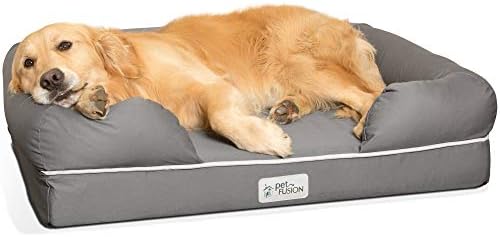
- Superior Comfort & Joint Relief: 4″ solid orthopedic memory foam offers plush support, easing joint pain and improving m…
- Security & Easy Cleaning: Large size with bolsters provides optimal support. Water-resistant cover and non-skid bottom k…
- Safe for Your Pet: CertiPUR-US certified memory foam is free of harmful chemicals and promotes healthy indoor air qualit…
8. Who Should and Shouldn’t Buy an Orthopedic Dog Bed
Orthopedic memory foam dog beds are a great solution for many dogs, but they are not the right choice in every situation. This section helps you quickly determine whether this type of bed actually fits your dog’s needs.
Who should buy an orthopedic dog bed
You should strongly consider an orthopedic memory foam bed if your dog falls into one or more of these categories.
Large and giant breed dogs
Dogs over 50 to 60 lb place more pressure on joints and benefit from thicker, supportive foam that prevents sinking to the floor.
Senior dogs or dogs showing stiffness
If your dog is slower to stand up, seems stiff after resting, or avoids hard surfaces, an orthopedic bed can improve daily comfort and rest quality.
Dogs with arthritis or joint issues
Orthopedic beds are commonly recommended to reduce pressure on hips, elbows, and the spine, especially for dogs with mild to moderate joint problems.
Dogs that sleep for long periods
Dogs that spend many hours lying down need consistent pressure relief to avoid sore joints and restless sleep.
Owners looking for long term value
High quality orthopedic beds last longer than basic padded beds and provide more consistent support over time.
Who should not buy an orthopedic dog bed
In some cases, an orthopedic memory foam bed may not be the best option.
Destructive chewers or diggers
Dogs that tear fabric or chew bedding can quickly damage orthopedic beds, even durable models.
Very young puppies
Puppies often outgrow beds quickly and may not need advanced joint support yet. A simpler, more replaceable option can make more sense.
Owners needing a lightweight travel bed
Orthopedic beds are heavier and bulkier, making them less practical for frequent travel or temporary use.
Dogs with severe mobility limitations
Very thick beds can be harder to step onto for dogs with advanced mobility issues unless paired with ramps or steps.
Understanding whether your dog fits the right profile helps ensure you invest in a bed that provides real benefits rather than unnecessary features.

- Optimal Joint Relief: High-density egg crate foam molds to your dog’s body, easing joint pressure and promoting deep, re…
- Luxurious, Comfortable Softness: Made with gentle, skin-friendly sherpa fabric, this pet bed offers cloud-like coziness …
- Pet-Safe & Eco-Friendly: Made with CertiPUR-US certified egg crate foam and OEKO-TEX Standard 100 (24.HCN.46956) approve…
9. User Reviews Patterns What Dog Owners Really Say
Reading individual reviews can be overwhelming and often misleading. A better approach is to look for patterns across hundreds or thousands of verified owner experiences.
Below are the most common themes that appear consistently in reviews of orthopedic memory foam dog beds.
Five star reviews Comfort and joint relief
The most frequent positive feedback comes from owners of large and senior dogs.
Many report that their dogs appear more comfortable, rest longer, and show less stiffness when getting up. Phrases commonly mentioned include improved sleep, less joint soreness, and dogs choosing the bed over the couch or floor.
These reviews often highlight thicker foam beds that maintain their shape over time.
Four star reviews Ease of cleaning and daily use
Four star reviews usually focus on practicality.
Owners appreciate removable, machine washable covers and non slip bottoms that keep the bed in place on tile or hardwood floors. Easy maintenance is a major factor for long term satisfaction.
Some mention that while comfort is excellent, the bed may feel firmer than expected at first, especially for lighter dogs.
Three star reviews Sizing confusion
Mid range reviews often point to sizing issues rather than comfort problems.
Common complaints include beds feeling smaller than expected due to bolsters or dogs outgrowing the bed over time. These reviews frequently mention that sizing up would have been the better choice.
This reinforces the importance of measuring your dog and focusing on interior sleeping space.
One and two star reviews Foam durability issues
Lower rated reviews usually involve foam quality rather than design.
Complaints include beds flattening after a few months, especially under heavier dogs. This issue appears more often in budget models with thinner foam layers.
Odor retention after accidents is another recurring issue when beds lack a waterproof liner.
What these patterns mean for buyers
Across reviews, one conclusion is clear. Dogs that need real joint support benefit most from thicker, higher density orthopedic foam.
Owners who choose beds based on real measurements and foam quality tend to report higher satisfaction than those who rely on brand claims or weight labels alone.
Understanding these patterns helps you choose an orthopedic bed that meets real world expectations, not just marketing promises.
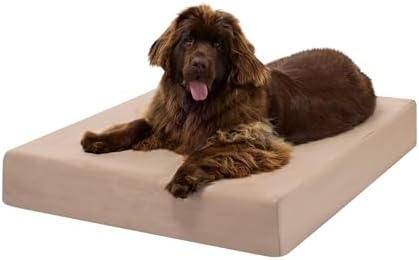
- Premium Support For Large Dogs: Extra large dog bed designed for big dogs; Seven inch thick orthopedic foam provides joi…
- Orthopedic Design For Comfort: Therapeutic dog mattress with memory foam cushion helps senior dogs with arthritis; Soft …
- Easy Maintenance: Machine washable dog bed with removable cover; Waterproof inner liner protects foam from accidents; Du…
10. Pricing and Value Is It Worth the Money
Price is often the first thing people look at when choosing a dog bed, but the true value comes from how long it lasts and how well it supports your dog.
In this section we break down why the cost of an orthopedic memory foam bed can vary widely, and how to judge what’s actually worth paying for.
Why orthopedic beds cost more than basic beds
Orthopedic memory foam beds use high density foam and reinforced construction to provide real joint support.
This type of foam is more expensive than standard padding and requires more material to maintain shape under heavier body weight.
Beds with thicker foam, quality quilting, and durable covers are naturally higher priced.
Lower cost beds often use thinner foam or softer materials that feel comfortable initially but compress quickly under daily use.
Cost vs durability trade-off
A basic padded dog bed might cost less upfront, but it often needs replacing every few months.
A quality orthopedic memory foam bed can last 1 to 3+ years before losing significant support.
If you divide the price by usable life, many mid to high end orthopedic beds end up being better value than cheaper models that flatten fast.
What features justify a higher price
When evaluating price, look for specific features that deliver actual value:
- Thicker, high density memory foam
- Reinforced stitching that prevents seam split
- Washable removable cover
- Non slip base for floor stability
- Waterproof liner to protect foam
These elements increase upfront cost but reduce long term replacement and maintenance pain.
When a budget model makes sense
Budget oriented orthopedic beds can still be good options if:
- Your dog is on the lighter end of a size range
- The bed is for occasional use (guest room, travel)
- You’re testing whether your dog prefers foam over padding
Just be aware that budget beds may compress faster under heavier dogs.
A simple value framework
To judge value, ask yourself:
- Will this bed last long enough to justify its price?
- Does the foam thickness match my dog’s weight and joint needs?
- Are cleaning and maintenance features worth the convenience?
Answering these helps you avoid paying just for a brand name, and instead invest in a bed that your dog will use and benefit from over time.
11. Frequently Asked Questions About Orthopedic Dog Beds
Do orthopedic dog beds really help with joint pain?
Yes, a properly built orthopedic dog bed can help reduce joint pressure and improve comfort, especially for large and senior dogs. High density memory foam distributes weight evenly and helps relieve stress on hips, elbows, and the spine. While it is not a medical treatment, many owners notice improved mobility and less stiffness after rest.
How thick should an orthopedic dog bed be?
- Foam thickness matters more than most people think.
- For small and medium dogs, around 3 inches can be enough.
- For large or senior dogs, 4 inches or more is strongly recommended.
- Giant breeds or dogs with advanced joint issues benefit most from beds with 5 to 7 inches of foam.
Is memory foam better than egg crate foam?
Memory foam generally provides better long term support.
Egg crate foam can feel soft at first, but it often compresses faster under heavier dogs. Solid or layered memory foam maintains shape longer and offers more consistent pressure relief over time.
Should I size up when choosing a dog bed?
In most cases, yes.
Dogs that stretch out while sleeping need more space than weight charts suggest. Beds with bolsters also reduce interior sleeping space, so sizing up helps ensure comfort and avoids returns.
Are orthopedic dog beds good for puppies?
Puppies usually do not need advanced orthopedic support. A basic, easily replaceable bed often makes more sense while they are growing. Orthopedic beds are more beneficial once a dog reaches adult size or begins showing joint stiffness.
Can orthopedic beds be used inside crates?
Yes, many orthopedic beds work well as crate mats. Flat designs without bolsters fit best. Always measure the interior of the crate to ensure the bed sits flat and does not block doors.
Are orthopedic dog beds waterproof?
Not all of them.
Some beds include a waterproof inner liner that protects the foam, while others only have water resistant covers. If accidents are a concern, choose a bed with a true waterproof liner to avoid permanent foam damage.
How do I clean an orthopedic dog bed?
Most orthopedic beds use removable, machine washable covers.
Covers should be washed on gentle cycles and air dried or dried on low heat. Memory foam itself should not be washed. A liner helps protect the foam from moisture and odors.
How long do orthopedic dog beds last?
High quality orthopedic beds can last one to three years or longer, depending on foam density, dog weight, and usage. Budget beds may flatten within months under heavier dogs.
Are expensive orthopedic dog beds worth it?
They can be, especially for large or senior dogs. Higher priced beds often use thicker, denser foam and more durable construction, which provides better long term support and reduces the need for frequent replacement.
12. Conclusion and Final Recommendation
Choosing the right orthopedic dog bed is not about buying the most expensive option or the most popular brand. It is about matching foam thickness, size, and durability to your dog’s real needs.
If your dog is large, senior, or shows signs of joint discomfort, a true orthopedic memory foam bed can make a noticeable difference in daily comfort and sleep quality. Beds with thicker, high density foam provide better long term support and are less likely to flatten under consistent weight.
For most dog owners, a well balanced orthopedic bed offers the best mix of comfort, durability, and value. Budget options can work for lighter dogs or short term use, but they may compress faster over time. Premium therapeutic beds make more sense for heavy or aging dogs that rely on daily joint relief.
The key is to focus on usable sleeping space, real foam thickness, and maintenance features, not just marketing labels.
If you want to avoid buying the wrong bed and replacing it months later, start by checking size availability and current pricing for the models that best match your dog’s weight, age, and sleeping style.
Taking a few extra minutes to choose the right orthopedic bed now can significantly improve your dog’s comfort for years to come.
Explore the best orthopedic memory foam dog beds on Amazon